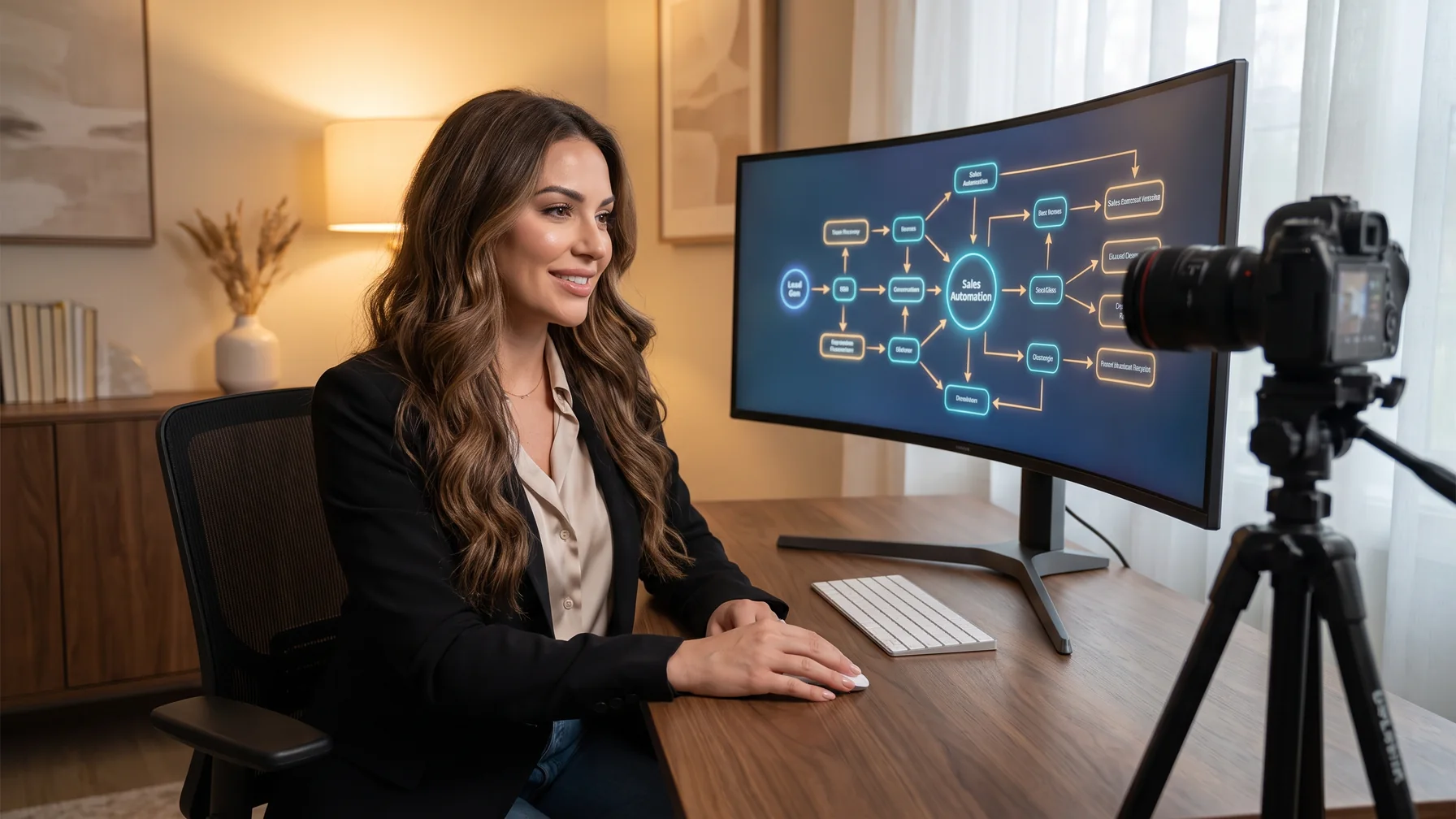
That is where Telegram sales automation comes in for creator teams: AI-assisted messaging workflows that help you reply faster, keep conversations moving, and time follow-ups correctly, while Telegram Stars still processes fan payments natively. With tease.bot as an AI messaging CRM for Telegram creator teams, operators stay in Telegram, creators stay accountable for the experience, and automation does the drafting and scheduling work.
The patterns below are ones you can apply right away, and they all point at the same outcome: more predictable sales from Telegram conversations, without crossing Terms of Service or burning out your fans.
Warm-up Sequences That Build Trust Before Any Offer
Cold selling in adult chats usually feels transactional and pushy, which leads to muted conversations and unsubscribes. Fans arrive in Telegram because they want attention, personality, and a sense of safety before they are ready to spend with Telegram Stars. A structured warm-up sequence gives your operators a repeatable way to build comfort and consent long before the first offer appears.
A simple warm-up framework can look like this:
- Start with a greeting that feels personal, then ask a light interest discovery question to open the conversation.
- Clarify boundaries and preferences so the fan feels safe and understood.
- Invite the fan to engage more deeply once they have responded and shown interest.
For example, your early messages might focus on what type of content they enjoy, how often they want to chat, and what feels comfortable for them. Once they have responded a few times and shown interest, soft invitations to spend more time or attention start to feel natural instead of forced.
Telegram sales automation fits into this by drafting those early prompts, spacing them out in time, and remembering what the fan already shared so operators do not repeat themselves. With tease.bot, operators can see suggested follow-up questions that reference past replies, which keeps conversations feeling continuous even when multiple operators are involved. Fans experience a consistent personality instead of disjointed one-off lines.
Tone and compliance matter at every step. Automated drafts should stay neutral, avoid explicit promises, and keep language aligned with your brand rules and Telegram policies. Operators should always be able to edit, rewrite, or skip an AI draft before sending. That human check is what turns automation from a script into a tool that respects both the fan and the creator.
Offer Pacing and Follow-up Cadences That Do Not Feel Spammy
Once fans are warmed up, pacing becomes the difference between a healthy sales engine and a burned list. Too many offers in a row and fans tune out. Too few, and you leave Telegram Stars revenue on the table. In adult contexts, where emotional tone and trust are everything, poor pacing feels especially jarring.
A healthy cadence usually keeps a clear ratio of value or connection messages to explicit offer messages. Many teams prefer multiple non-sales interactions between each paid invitation, with hours or days between pitches depending on how hot the conversation is. It also helps to set clear triggers that pause offers when a fan stops responding, signals discomfort, or explicitly declines. Silence can be a signal to slow down, not to double down.
Telegram sales automation supports this by scheduling follow-ups, surfacing reminders for operators, and adjusting timing based on fan activity. Instead of manually remembering who needs a check-in, your CRM can queue a gentle follow-up that only goes out if the fan has been active in chat. If a fan just had a long back-and-forth or made a purchase through Telegram Stars, the system can delay the next offer so it does not feel like instant upsell pressure.
Operator control stays central. Every outbound promotional sequence should be drafted and approved in advance, with the ability to pause or cancel for any fan or for the entire audience. Live human replies should always override scheduled automation, so when an operator jumps back into a conversation, automation steps back instead of competing for attention.
Segmenting Fans by Signal Instead of Guesswork
Not every fan in Telegram wants the same level of intensity or frequency. Some respond instantly, tip often through Telegram Stars, and enjoy upsells. Others are slow, casual, or even cooling off. Segmentation based on real behavior, not hunches, lets your operators adapt their style without rewriting every message from scratch.
Useful fan signals for adult creator teams include things like response speed, content themes they mention, tip or purchase history inside Telegram, time of day they usually engage, and how they have reacted to past offers. Over time, these signals paint a clear picture of who is high-intent, who is casual, and who might be drifting away or needing a softer touch.
From the fan's perspective, it feels like a personal shift in tone, not a one-size-fits-all script.
With tease.bot, teams can tag and group fans by these signals so that operators can send different message styles to each segment. High-intent fans might receive more direct offers and shorter warm-ups, while new or hesitant fans stay in longer trust-building flows. Cooling fans might get gentle check-ins or non-sales content to re-open the conversation instead of yet another pitch.
Telegram sales automation can then select different warm-up sequences, offer cadences, and check-in templates for each segment. From the fan's perspective, it feels like a personal shift in tone, not a one-size-fits-all script. This is also where safeguards come in: you can automatically exclude certain segments from more aggressive offers, cap message frequency per fan, and require human review for any higher-risk message type that pushes close to your compliance boundaries.
Approval Gates That Keep Creators in Control
Approval gates are the checkpoints where automation has to stop and wait. Nothing goes out until an operator or creator taps approve, edits the draft, or rejects it completely. For adult creator teams, these gates are what keep Telegram sales automation from drifting into spammy or non-compliant territory.
Practical approval gate placements include the first message in any new sequence, the first time a conversation references pricing or Telegram Stars, and any pivot from casual chat into a clear offer. These are the hinge moments where a human should confirm that the wording, timing, and tone feel right for that specific fan.
Inside Telegram, tease.bot can present drafted replies and entire sequences as suggestions. Operators stay in the chat app they already live in, review the AI's draft, tweak it to match the creator's voice, then send with a single tap. The creator's team stays responsible for tone and compliance, while the CRM handles the repetitive work of drafting and organizing.
Escalation paths are the safety net. When a fan pushes into especially sensitive territory or raises a complex edge case, automation should hand off to a senior operator or the creator instead of guessing. That escalation can be triggered by specific keywords, tags, or operator rules so that the highest-risk moments always get human judgment.
Building a Telegram Sales Automation Playbook for Your Team
When you put these patterns together, you get a clear playbook: structured warm-ups that build trust, respectful offer pacing, segmentation based on real fan signals, and approval gates that keep creators firmly in control. Telegram Stars keeps handling payments natively, while tease.bot operates as the AI messaging CRM that drafts, sequences, and times messages inside the same app your team already uses.
A simple internal playbook might include messaging templates for each warm-up and offer stage, boundary rules for what is never said in chat, tagging standards for different fan signals, and clear rules for when automation is allowed to run and when operators must step in. Start with one warm-up flow and one follow-up cadence, test them on a small fan segment, and refine until the conversations feel human, compliant, and true to the creator's character. From there, you can gradually expand Telegram sales automation without ever giving up control of the fan experience.
Read next → AI chatbot for creators — assisted replies with operator override How tease.bot drafts fan replies, surfaces context, and keeps a human in the loop on every send — so automation stays inside your creator voice and boundaries.